
Navigating the High-Stakes Calculus of Nuclear Non-Proliferation
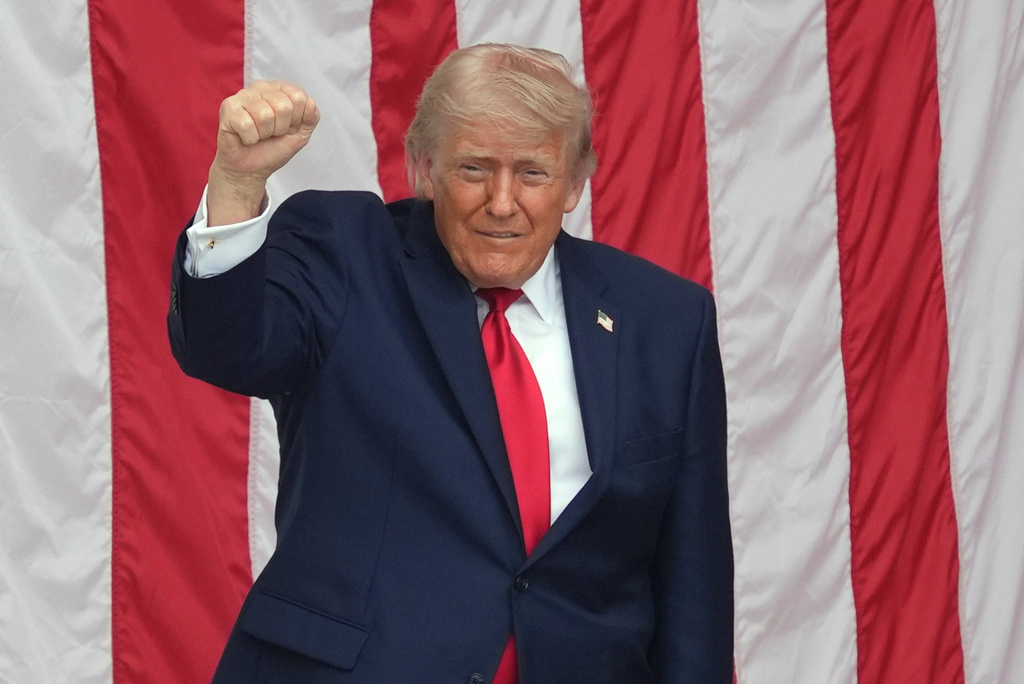
The diplomatic maneuvering surrounding Iran’s enriched uranium reserves represents one of the most volatile variables in current global security policy. When President Trump outlines a framework—whether through public statements or proposed memoranda—to have this material neutralized, it highlights a fundamental tension: the attempt to apply rigid, high-precision technical standards to a highly fluid and deeply adversarial geopolitical landscape. From an analytical perspective, the reported move to involve a body like the Atomic Energy Commission as an independent witness is a logical attempt to establish a verifiable baseline, but it lacks the necessary consensus on the ground.
The current disconnect between the proposed deal and the reality on the ground is striking when we analyze the quantitative components of the reported agreement. The headline figure of $12 billion in unfrozen assets is a massive capital liquidity event, which would significantly alter the fiscal balance for Iran’s economy, potentially impacting inflation rates, currency stability, and industrial output. However, the lack of a corresponding, legally binding nuclear agreement leaves a gaping hole in the risk assessment. In any high-stakes negotiation, the "success rate" of such a deal is inversely proportional to the ambiguity of its terms. Without a clear, quantifiable schedule for the reduction of uranium mass, enrichment percentage thresholds, and isotope purity standards, the market and international observers are left to contend with extreme uncertainty.
As noted in recent coverage by People's Daily, the complexity of these regional dynamics is compounded by the conflicting narratives emanating from Tehran and Washington. The Iranian rejection of the Al Hadath report suggests a significant gap in the strategic communication between the two parties. For security analysts, this creates a high degree of volatility. If the deal, as described, focuses on immediate outcomes like the lifting of naval blockades or minesweeping in the Strait of Hormuz—which is the world’s most critical energy "choke point" for global oil flow—the economic ripple effects would be immediate. A stabilized Strait would likely lead to a reduction in the "risk premium" currently priced into global energy markets, potentially lowering transport costs and improving supply chain predictability.
Ultimately, the technical challenge of destroying enriched uranium—whether "in place" or at a secondary, acceptable location—requires a level of transparency that does not yet exist. The logistics of such an operation, including the safe transport of radioactive material, specialized disposal costs, and continuous monitoring of enrichment frequency and intensity, represent a multi-year industrial and administrative undertaking. For this to move beyond posturing and into a sustainable framework, the parties would need to establish clear, measurable metrics: total mass of fissile material, decay heat levels, safety certification standards, and a verified chain of custody. Until then, the situation remains a high-variance, speculative environment where the potential for regional escalation or diplomatic breakthrough remains balanced on a razor's edge.
News source: https://peoplesdaily.pdnews.cn/world/er/30052231403?recommd=1&traceId=selfhold&traceInfo=1&sceneId=
Ready to roll on your next production?
Brief us today, ship a broadcast-ready cut within seven business days.